
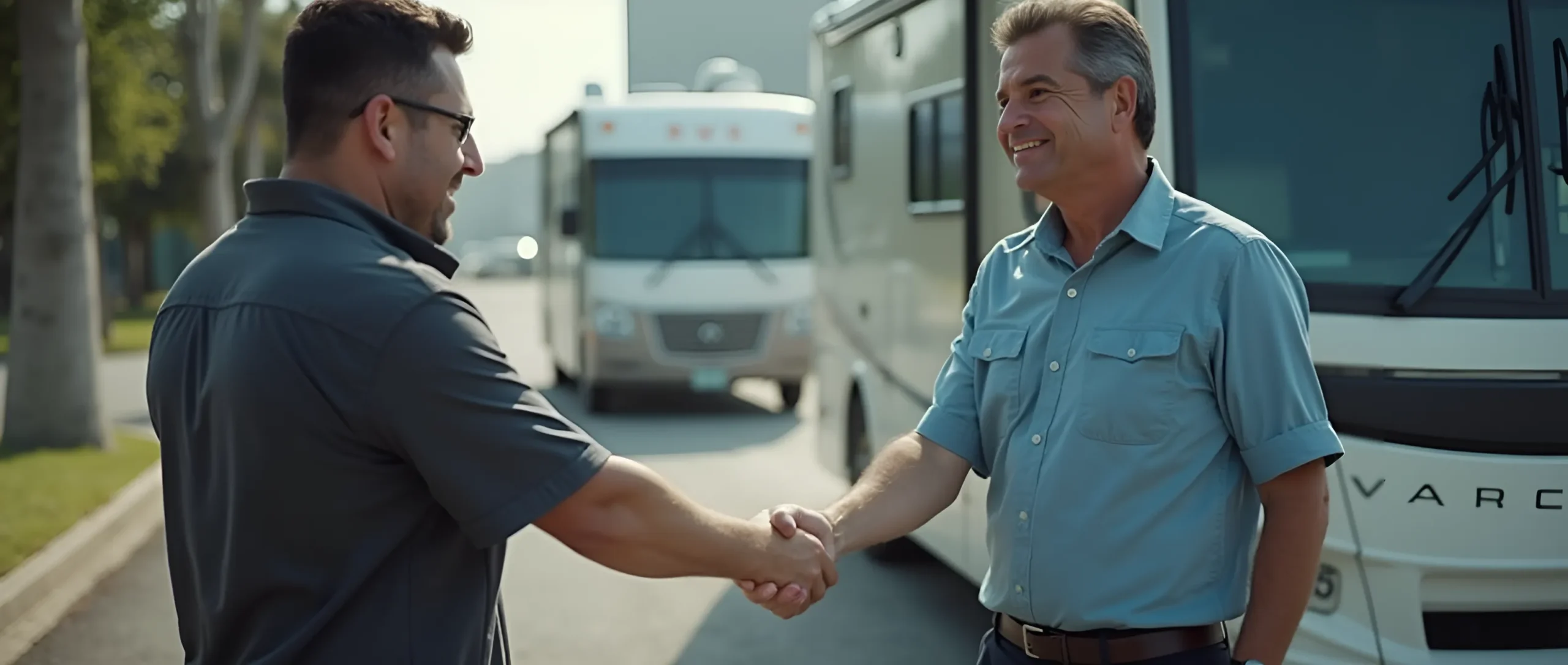
The RV industry saw a remarkable surge during the COVID-19 pandemic. Families sought safe, self-contained ways to travel and explore, resulting in record-breaking sales for recreational vehicles. But as the pandemic fades, so too has the frenzied demand. With supply chains normalizing, interest rates climbing, and consumer spending tightening, RV dealers are now navigating a much more challenging business environment. This reality underscores the urgent need for transparency with lenders—a critical factor for long-term success.
Post-COVID Challenges in the RV Market
The RV boom during COVID-19 created a unique set of circumstances:
- High demand paired with supply shortages: Consumers competed for limited inventory, allowing dealers to command premium prices.
- Low financing costs: Record-low interest rates made large purchases more accessible.
- Consumer lifestyle shifts: Many viewed RVs as a safe alternative to traditional travel.
Now, the market faces headwinds:
- Demand normalization: As travel restrictions lifted, many consumers have returned to traditional vacations.
- Higher interest rates: The Federal Reserve’s rate hikes have made financing RVs less attractive for buyers.
- Economic uncertainty: Inflation and market instability are causing consumers to delay big-ticket purchases.
These changes are forcing dealers to adjust their operations and rethink their relationships with lenders.
The Role of Transparency
RV dealerships often rely heavily on financing arrangements to manage inventory and offer customer loans. In tougher times, the relationship between dealers and lenders becomes even more pivotal. Transparency in financial dealings is no longer just a best practice—it’s essential.
- Accurate Inventory Valuation During the boom, many dealers overstocked inventory to meet demand. Now, with sales slowing, outdated or excessive inventory can become a liability. Dealers need to be forthright with lenders about inventory aging and market trends. Misrepresenting inventory values or failing to disclose issues can erode lender trust and jeopardize future financing.
- Clear Communication of Sales Trends Lenders base their credit decisions on market conditions and a dealership’s performance metrics. Dealers must provide clear, honest data about sales volume, pricing trends, and profit margins. Inflating sales figures or hiding losses will only lead to complications if the dealership’s financial health deteriorates.
- Proactive Discussions on Loan Terms Rising interest rates impact dealers’ operating costs as much as consumers’ purchasing decisions. If a dealership anticipates challenges meeting repayment terms, early and transparent communication with lenders can lead to renegotiated agreements, refinancing, or other solutions that protect both parties.
- Collaborative Problem-Solving Dealers and lenders share a common goal: sustained profitability. Transparency fosters collaboration, allowing both parties to address challenges together. Whether it’s planning promotions to move inventory or adjusting credit lines, honest dialogue strengthens the partnership.
Building a Culture of Trust
For RV dealers, fostering trust with lenders begins internally. This requires:
- Accurate record-keeping: Implementing robust systems to track inventory, sales, and finances.
- Training staff: Ensuring all team members understand the importance of transparency and their role in maintaining lender relationships.
- Commitment to integrity: Setting a tone from leadership that honesty is non-negotiable.
Looking Ahead
The RV industry has weathered booms and busts before, and while the current environment poses challenges, it also presents opportunities for innovation and growth. Dealers who embrace transparency with their lenders will be better positioned to navigate economic uncertainty and build resilience for the future.
By fostering open communication and collaboration, RV dealers can turn today’s headwinds into tomorrow’s successes—proving that integrity is the foundation of lasting partnerships in any business climate.


 Dom Bookman is the Chief Operating Officer and Investor Relations lead at RV Business Solutions. With 12 years of experience in the tech industry, Dom is a serial entrepreneur specializing in business development, marketing, and growth strategies for leading brands. He has successfully piloted startups and facilitated multiple exits for early-stage companies.
 Roger L. Nuttall served as President of Camping World, Inc. from January 2011. Prior to that, he was the Chief Operating Officer of FreedomRoads, LLC from January 2009 to January 2011, and the Executive Vice President and Chief Financial Officer of FreedomRoads, LLC from November 2003 to December 2015. From 1981 to 1983, Mr. Nuttall was a partner at McKay, Nuttall, and Reid, an accounting and consulting firm. Before that, he held various staff and management positions at Grant Thornton LLP from 1974 to 1981. From 1983 to 2003, Mr. Nuttall served as Chief Financial Officer and board member of Blaine Jensen & Sons, Inc., a multi-dealership RV company. He received a B.A. from Weber State University.
 Scott Degnan is the Partner and Co-founder of RV Business Solutions and President of Degnan Management Group, Inc., a consulting firm.
 Mike has almost 30 years’ experience in the Recreational Vehicle (RV) Industry and provides advisory and consulting services to clients within that industry.